CNC TECHNICAL GUIDE
What Is a CNC Router and How Does It Work?
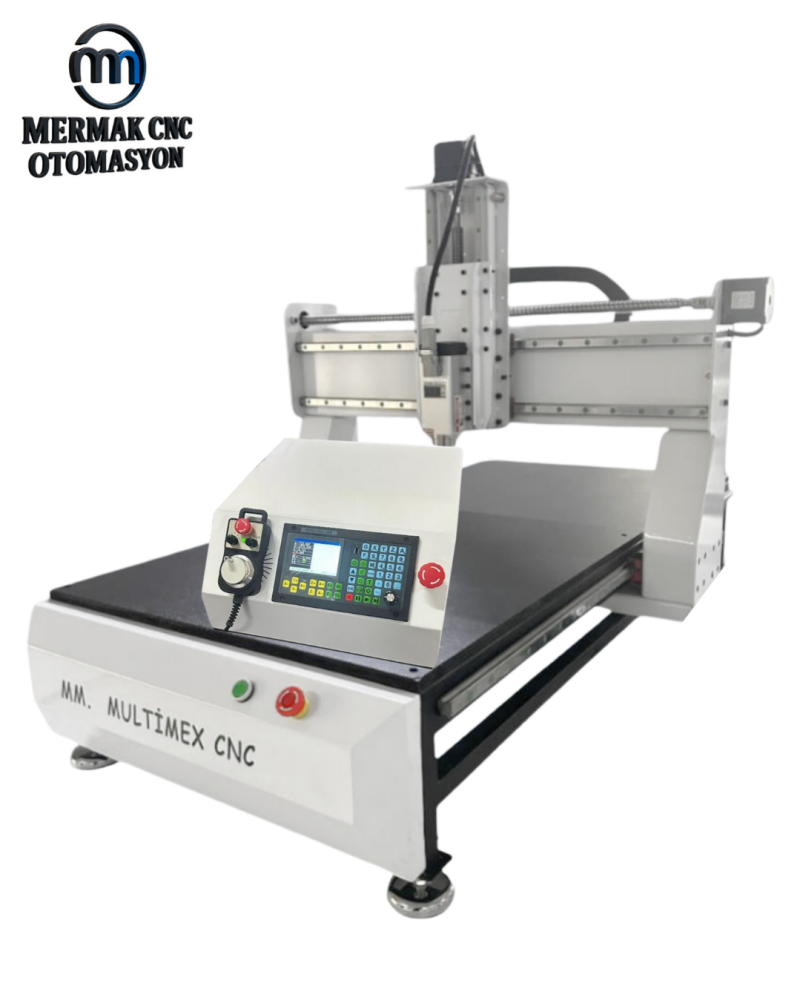
A CNC router is a computer-controlled cutting and machining system that moves a rotating tool along programmed axes. The machine converts digital toolpaths into coordinated motion so the cutter can shape sheet, plate or block material repeatedly.
The core machine structure
Most routers use three primary axes: X and Y position the tool across the table, while Z controls vertical movement. The frame and gantry must resist cutting forces while the linear guides and drive system allow smooth motion.
Spindle and cutting tool
The spindle rotates the cutter. Its useful capability depends on power, torque, speed range, bearings, cooling and tool-holding system.
Motion and control
Motors drive ball screws or rack-and-pinion transmissions. A CNC controller interprets G-code and coordinates axis motion, spindle commands and auxiliary functions.
From CAD to finished part
A typical workflow begins with CAD geometry. CAM software converts that geometry into toolpaths using a selected cutter, feed rate, spindle speed, depth of cut and machining strategy.
What materials can a CNC router machine?
Depending on machine design and tooling, CNC routers are commonly used for MDF, plywood, solid wood, plastics, acrylic, foam, composites and aluminum.
Where CNC routers are used
Typical applications include furniture components, cabinet panels, signs, display systems, molds, patterns, prototypes, composite sheets, aluminum plates and custom industrial parts.
Router versus machining center
CNC routers usually emphasize larger working areas and higher spindle speeds for sheet and profile work. Machining centers generally provide more rigid structures and tool systems for heavier metal removal.