CNC TECHNICAL GUIDE
CNC Vacuum Table Guide: Hold-Down, Pump Sizing and Spoilboards
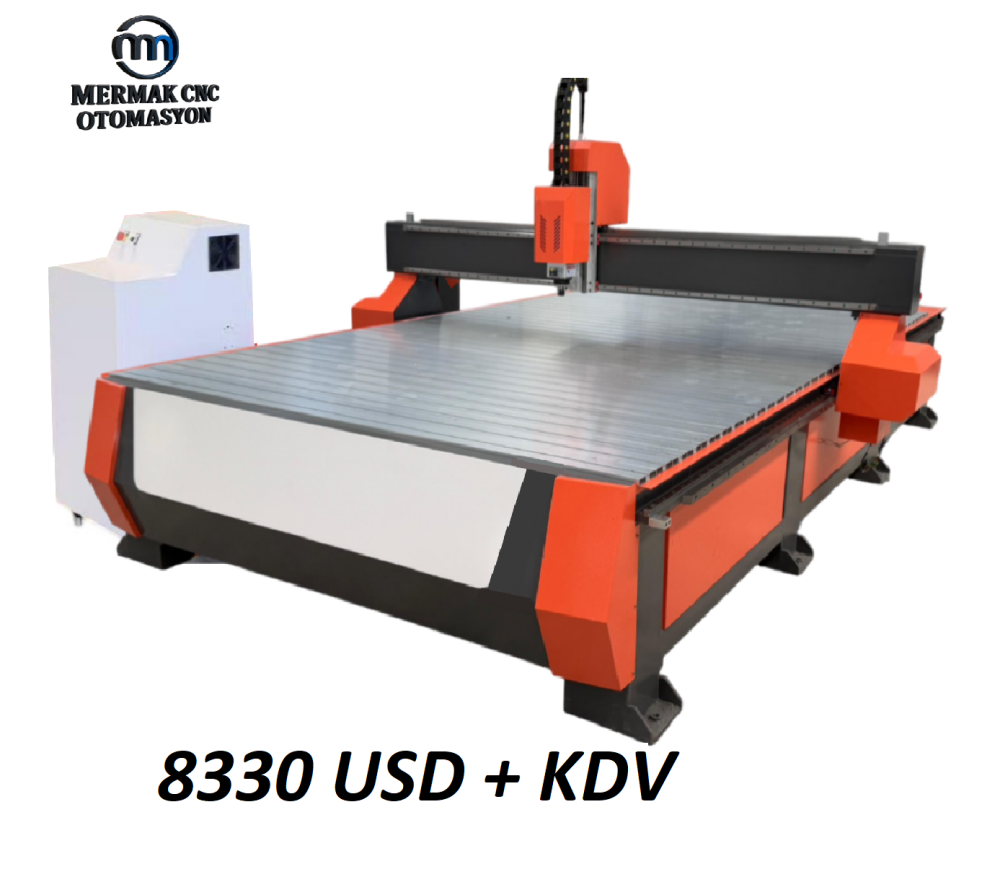
A vacuum table can transform sheet-processing productivity, but a pump nameplate alone does not determine whether parts will stay in place. Effective hold-down depends on pressure differential, sealed area, leakage and the complete airflow path.
Hold-down force depends on area
Vacuum creates a pressure difference across the part. A large sealed panel can generate strong total holding force, while a small part may have very little effective area.
Leakage changes the pump requirement
Porous spoilboards, uncovered zones, cut-through paths and warped sheets allow air to enter the system. High-flow pumps can be useful where leakage is unavoidable.
Use zones intelligently
Zoned tables let the operator isolate unused areas and reduce unnecessary leakage. The zoning layout should match common sheet and fixture sizes.
The spoilboard is part of the system
A porous MDF spoilboard distributes vacuum and provides a sacrificial cutting surface. Surface condition, thickness and flatness influence performance.
Small parts are the difficult case
As toolpaths separate parts from the sheet, effective sealing area decreases. Tabs, onion-skin strategies, better nesting, gasketing or supplemental fixtures may be needed.
Measure the real system
Hose diameter, valves, filters and fittings can restrict airflow. Evaluate vacuum at the table under realistic leakage conditions rather than relying only on theoretical pump specifications.