CNC TECHNICAL GUIDE
CNC Router Buying Guide: 10 Decisions to Make Before You Buy
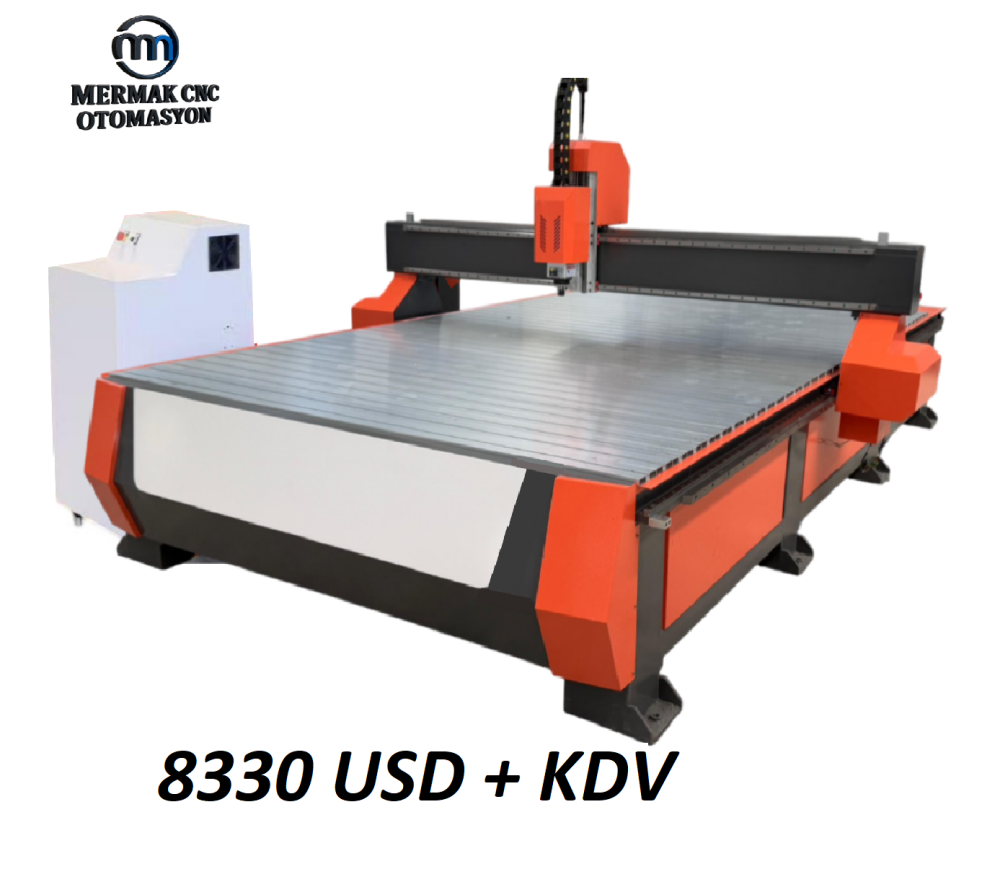
Choosing a CNC router by table size and spindle power alone is one of the fastest ways to buy the wrong machine. A useful buying process starts with the parts you need to manufacture, then works backward into the machine specification.
1. Define the real working envelope
Use the largest part you expect to produce regularly—not a hypothetical future job. Add realistic clamping and tool-clearance space. A larger table increases footprint, moving mass, shipping cost and sometimes the complexity of maintaining stiffness.
2. Match rigidity to the material
Wood, foam, acrylic, aluminum composite and aluminum do not impose the same cutting loads. Frame construction, gantry stiffness, bearing spacing and spindle mounting all influence chatter and surface quality.
3. Evaluate spindle torque, not only kW
Spindle power is meaningful only together with the speed range, torque curve, tool diameter, duty cycle and cooling method.
4. Understand the motion system
Ball screws, rack-and-pinion systems, linear guides, motor sizing and drive tuning form one system. Backlash, stiffness, acceleration and maintenance matter more than marketing labels.
5. Choose stepper or servo for the job
Stepper systems can be cost-effective and reliable when correctly sized. Servo systems add closed-loop feedback, higher speed capability and stronger fault awareness.
6. Plan workholding
A powerful spindle cannot compensate for a moving workpiece. Vacuum tables, mechanical clamps, fixture plates and spoilboards all change productivity.
7. Include extraction and utilities
Dust extraction, compressed air, electrical supply, network access, cooling and workshop temperature affect machine reliability.
8. Check the control and workflow
Confirm how CAD/CAM files are generated, transferred, zeroed and run. Ask how tool offsets, homing, limits, alarms and parameter backups are handled.
9. Compare support and spare-part strategy
Ask which components are standard, which are proprietary, what can be stocked locally and how remote diagnosis is performed.
10. Compare total project cost
Machine price is only one line. Add freight, taxes, unloading, electrical preparation, extraction, tooling, software, fixtures, training and the cost of production ramp-up.
Final checklist
Before ordering, freeze the approved machine configuration in writing. Record working area, spindle, drive system, controller, voltage, included accessories, shipping terms, commissioning scope and warranty/support terms.