CNC TECHNICAL GUIDE
CNC Router for Woodworking: Size, Vacuum, Spindle and Dust Extraction
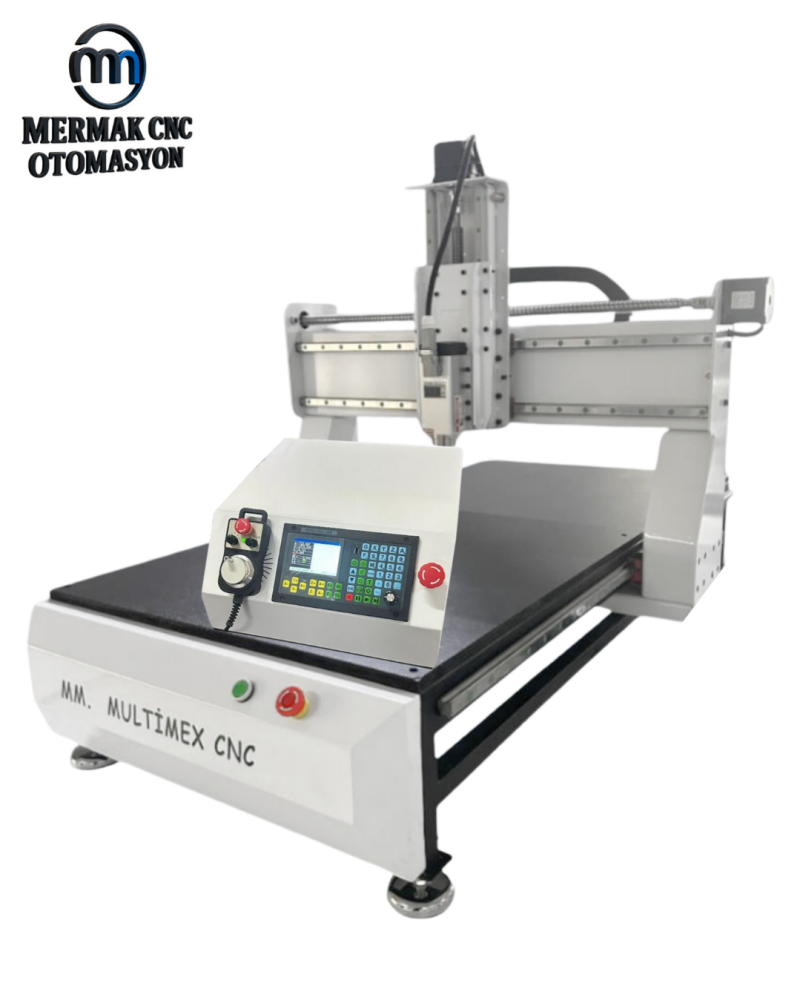
Woodworking is one of the most productive applications for CNC routers, but the best machine configuration depends on whether you are making signs, cabinet parts, doors, furniture components, molds or one-off custom work.
Start with sheet and part size
Cabinet and panel production often benefits from a table that can accept common sheet sizes without repositioning. Smaller workshops may gain more from a compact machine with better rigidity and easier access.
Vacuum hold-down can define productivity
For nested sheet work, a vacuum table can reduce clamping time dramatically. Pump capacity, table zoning, spoilboard condition and leakage control determine how well the system holds small parts.
Spindle selection
Wood routing often uses high spindle speed, but torque still matters with larger tools and deeper cuts. Tool-changing frequency also influences whether a manual collet spindle or automatic tool changer is justified.
Dust extraction is a production system
Dust affects health, machine cleanliness, linear components, electronics and fire risk. Evaluate extraction at the tool, not only the fan motor rating.
Tooling and feeds
Compression cutters, upcut and downcut tools, straight cutters and engraving tools serve different purposes. The correct combination depends on edge quality, chip direction, material coating and workholding.
Software and nesting
For cabinet work, CAM nesting capability can have a larger impact on material utilization than a small improvement in rapid speed.