CNC TECHNICAL GUIDE
CNC Spindle Power Guide: kW, Torque, RPM and Tool Size
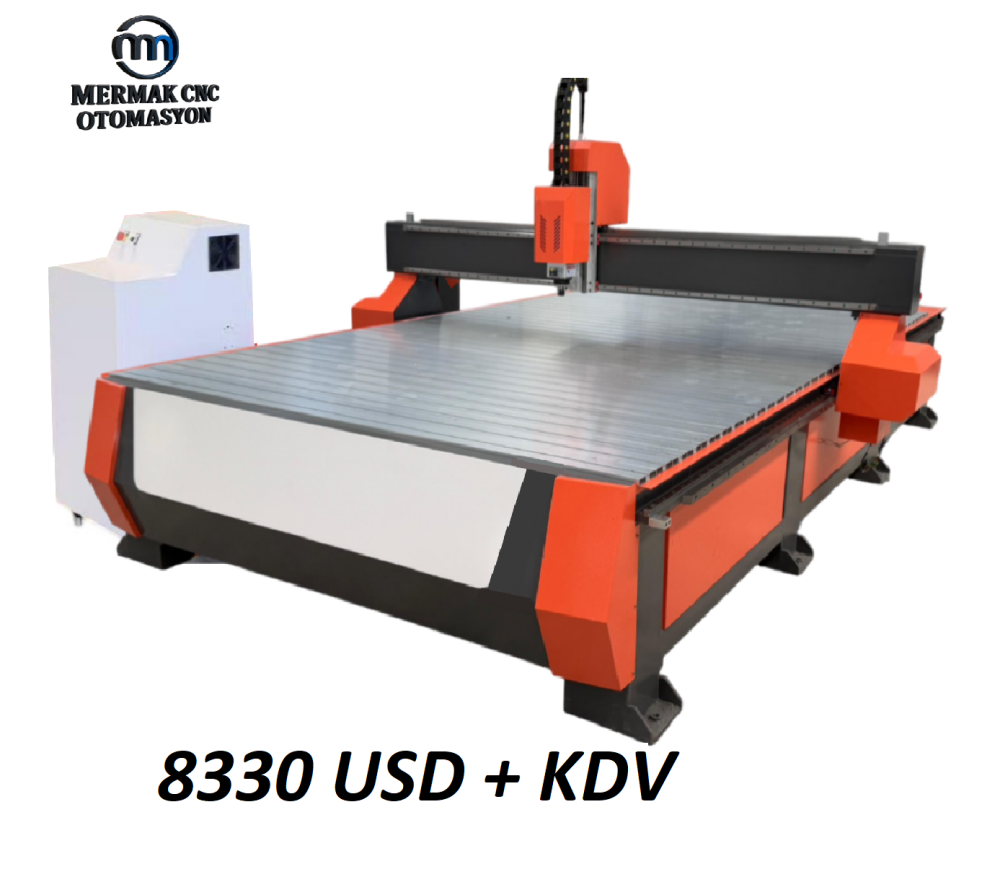
A spindle rating in kilowatts is useful, but it is not enough to predict cutting performance. Two spindles with the same rated power can behave very differently because torque, RPM range, bearings, cooling and tool interface change the usable cutting envelope.
Power and torque are connected
Mechanical power depends on torque and rotational speed. A spindle can show a high power figure at high RPM while providing much less torque at lower speeds.
Tool diameter changes the load
A small engraving cutter and a large surfacing tool do not ask the spindle for the same torque. Larger tools increase tangential cutting force and can require slower spindle speeds.
Material matters
Wood and plastics often use high spindle speeds. Aluminum can also require high speed with small tools, but chip evacuation, lubrication strategy, rigidity and tool geometry become more critical.
Cooling and duty cycle
Air-cooled and water-cooled spindles can both work well when correctly applied. The important questions are operating environment, duty cycle, maintenance, cooling reliability and acceptable noise.
Do not ignore the tool holder
Collet type, maximum shank diameter, runout and bearing quality directly influence surface finish and tool life.
A practical selection method
- List materials and the largest tools you expect to use.
- Define typical and worst-case cutting depth.
- Estimate the RPM range required by those tools.
- Check whether useful torque is available in that range.
- Verify cooling and duty-cycle suitability.
- Confirm that the machine frame can use the spindle capability without excessive vibration.