CNC TECHNICAL GUIDE
How to Choose the Right CNC Router Size
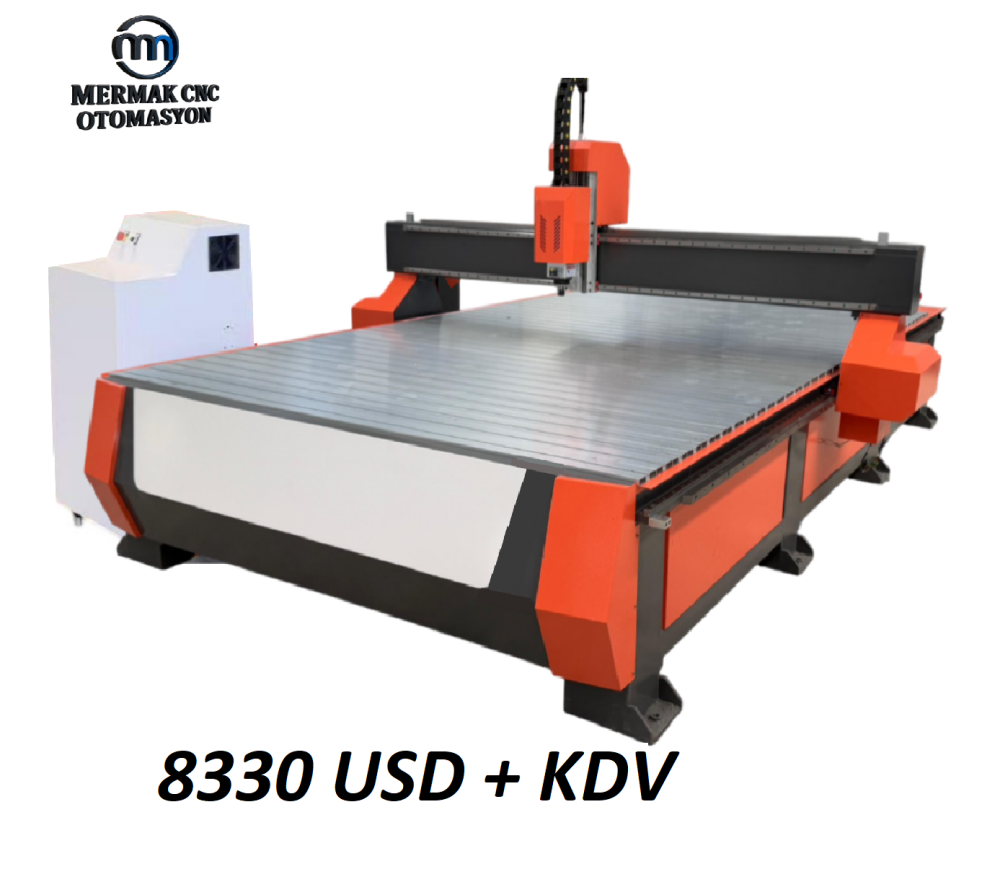
Buying the largest CNC router that fits through the door is not automatically the best investment. Working area should be selected around the parts you manufacture, material formats, workholding and production flow.
Table size and working area are not the same
Machine marketing often highlights an outside table dimension while the usable X, Y and Z travel can be different. Always confirm the actual machinable envelope.
Start with recurring work
List your ten most common jobs and the largest recurring part. A machine optimized for regular work usually produces a better return than one sized around an occasional extreme project.
Consider standard sheet formats
If your workflow depends on full-sheet nesting, the machine should accept the relevant sheet size with practical loading and clamping clearance.
Leave room for workholding
Mechanical clamps, fixtures, vacuum zones and spoilboards consume usable space. A theoretical working envelope can feel much smaller if the fixture strategy is ignored.
Do not ignore Z travel
Z travel should include the workpiece, fixture, tool length and safe clearance. Excessive gantry height can reduce stiffness, so more Z is not always better.
Workshop footprint
Add access around the machine, electrical cabinet, dust extraction, vacuum pump, compressor, loading path and maintenance clearance. Large routers often need substantially more floor area than the table itself.
Production flow matters
For repetitive sheet production, loading and unloading strategy may matter more than an extra few hundred millimeters of travel. Think about material storage, finished-part removal and operator movement.