CNC TECHNICAL GUIDE
Servo vs Stepper Motors for CNC Routers
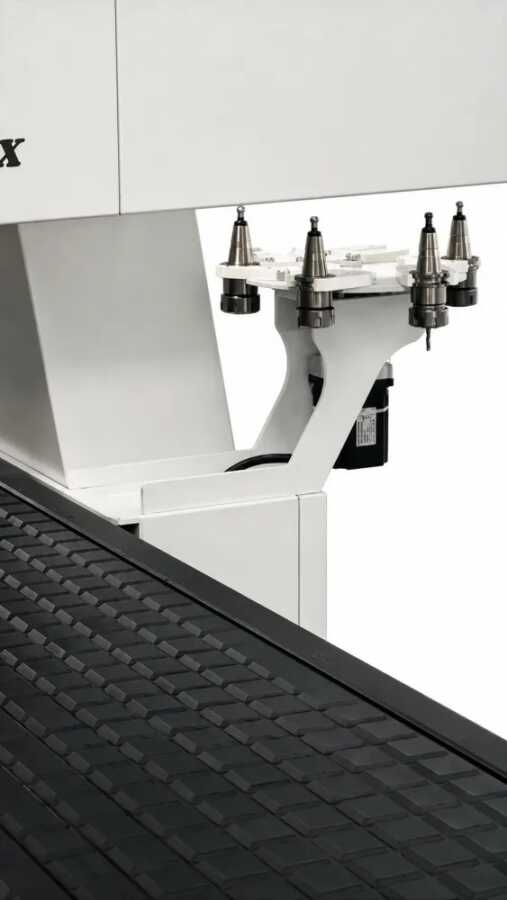
Stepper and servo systems can both produce accurate CNC motion when the machine is engineered correctly. The useful question is not which technology is universally better, but which one matches axis load, speed, acceleration, duty cycle and risk.
How steppers work
A stepper motor moves in discrete electrical steps. In many systems the controller assumes commanded motion occurred. Proper motor sizing and conservative acceleration are important.
How servos differ
Servo systems use feedback—typically from an encoder—to compare commanded and actual motion. The drive continually corrects error and can report faults when following error or load exceeds limits.
Speed and torque
Stepper torque is often strong at low speed and declines as speed rises. Servo systems typically retain useful performance over a wider speed range and can handle aggressive acceleration more efficiently.
Tuning and complexity
A stepper system is often simpler to commission. Servo systems require drive parameters and tuning appropriate to the mechanics.
When a stepper system makes sense
Compact routers, moderate speeds, lighter axes and cost-sensitive machines can work very well with correctly sized stepper systems.
When servo becomes attractive
Large gantries, high traverse speed, frequent acceleration, demanding cycle times and higher consequence of lost motion can justify servo systems.
Choose the complete drive train
Motor choice cannot be separated from gear ratio, rack or screw lead, moving mass, bearing friction and controller capability.